Blog
In Defense of Soy
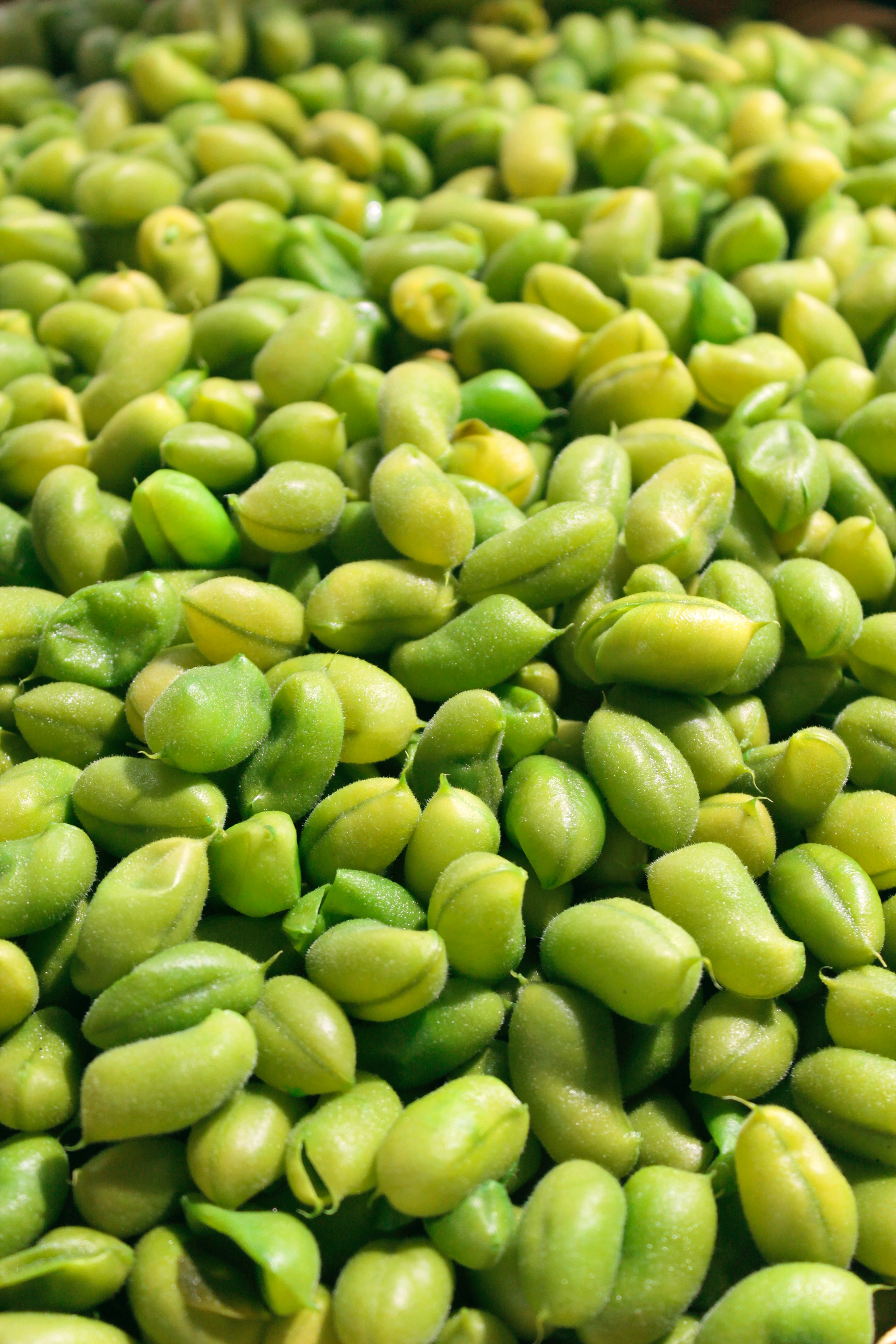
Soy is one of the most controversial foods out there. For thousands of years it’s been the center table food in Asia, and has been since losing its popularity due to unfounded health concerns that soy products allegedly promote – like breast and prostate cancer, its contribution to males’ low sperm count and breast tissue growth.
Soy has become ubiquitous – it’s added to too many to name packaged products. Products made out of soy (tofu, tempeh, miso, soy sauce, textured soy protein, soy milks and yogurts, natto, soybean oil, edamame) are now available everywhere, many of them not even known to most people. The problem with soy in our country is that we consume too much of genetically modifies and processed soy, often unknowingly to us. Neither of the two forms are appropriate for consumption. Choosing sustainably grown minimally processed soy products is the best practice for its consumption.
Based on extensive research, soy has proven to help prevent many forms of cancer1 including breast and prostate cancer, and bone loss that leads to osteoporosis2; reduce risk of coronary heart disease; soy alleviates hot flashes and may favorably affect renal function, alleviate depressive symptoms and improve skin health. Yet so many people pass the soymilk and choose other non-dairy alternatives. When you compare nutrition labels, these alternatives (almond milk, rice milk, cashew milk etc.) have no protein in them, while soy boasts anywhere 6-8 g per cup of complete quality plant protein. Especially when it comes to young children with dairy allergies or lactose intolerance – they need protein to grow and develop. Also important for vegetarians and vegans, as the list of complete plant proteins is not very long.
Soy foods are uniquely rich in isoflavons. Isoflavons are naturally-occurring plant chemicals that are classified as both phytoestrogens (plant estrogens) and selective estrogen receptor modulators. These particular elements led some critics to believe that soy may cause some unwanted effects in people. However these concerns are mostly based on animal and in vitro (in a test tube) studies, while human research suggests safety and benefits of soy foods.
In 1999 FDA approved soy health claim stating that “25 grams of soy protein per day… may reduce risk of heart disease”. Several studies have now proven that early soy intake reduces risk of breast cancer and suggest that young girls should eat 1 or more servings of soy per day. The confusion came from comparing phytoestrogens to human estrogen hormone or synthetic estrogen-containing drugs and their implication in breast cancer development. However, phytoestrogens have a different structure and bind to a different type of estrogen receptor in the body, which leads to cancer-protective mechanisms, as opposed to cancer-promoting. Both American Institute for Cancer Research and American Cancer Society concluded that soy foods are safe for breast cancer patients as well.
Now, if you are still wondering about that low sperm count allegation… just think of the people of China… 🙂
- Jacobsen B, Knutsen S, Fraser G “Does high soy milk intake reduce prostate cancer incidence? The Adventist Health Study (United States)” Cancer Causes and Control, 1998, 9, 553-557.https://link.springer.com/article/10.1023/A%3A1008819500080
- Messina, M, Messina, V, Detchell, K. The Simple Soybean and Your Health, Avery Publishing Group, New York, 1994.
- Messina M. Soy and Health Update: Evaluation of the Clinical and Epidemiologic Literature. Nutrients. 2016 Dec; 8(12): 754. Published online 2016 Nov 24. doi: 10.3390/nu8120754
Check oUT OTHER RECENT POSTS

Finding peace with running
Do Calories Matter?


Hello, I’m Tatiana. I am a Licensed Dietitian Nutritionist and a Certified Nutrition Specialist.
I help people
- normalize their relationships with food,
- peel off the layers of misunderstood physical, nutritional and emotional needs,
- lose weight as a side effect of finding peace with food,
- stop obsessing about food and
- start living the freedom!
FREE DOWNLOAD
What stops you from getting in your best shape?
- Do you spend hours searching for the latest, most effective diet?
- Are you exhausted from using up so much energy and mental space on dieting and weight solutions?
- Are you uneasy around food and can’t seem to trust yourself to eat just enough for your body?
- Do you deal with challenges getting in the way of your healthy eating goals?
I’ve compiled this free tool - a list of 10 Obstacles Sabotaging your Health and Weight Goals that will help you pinpoint challenges you are dealing with that stop you from moving forward.