
Blog
Do Calories Matter?
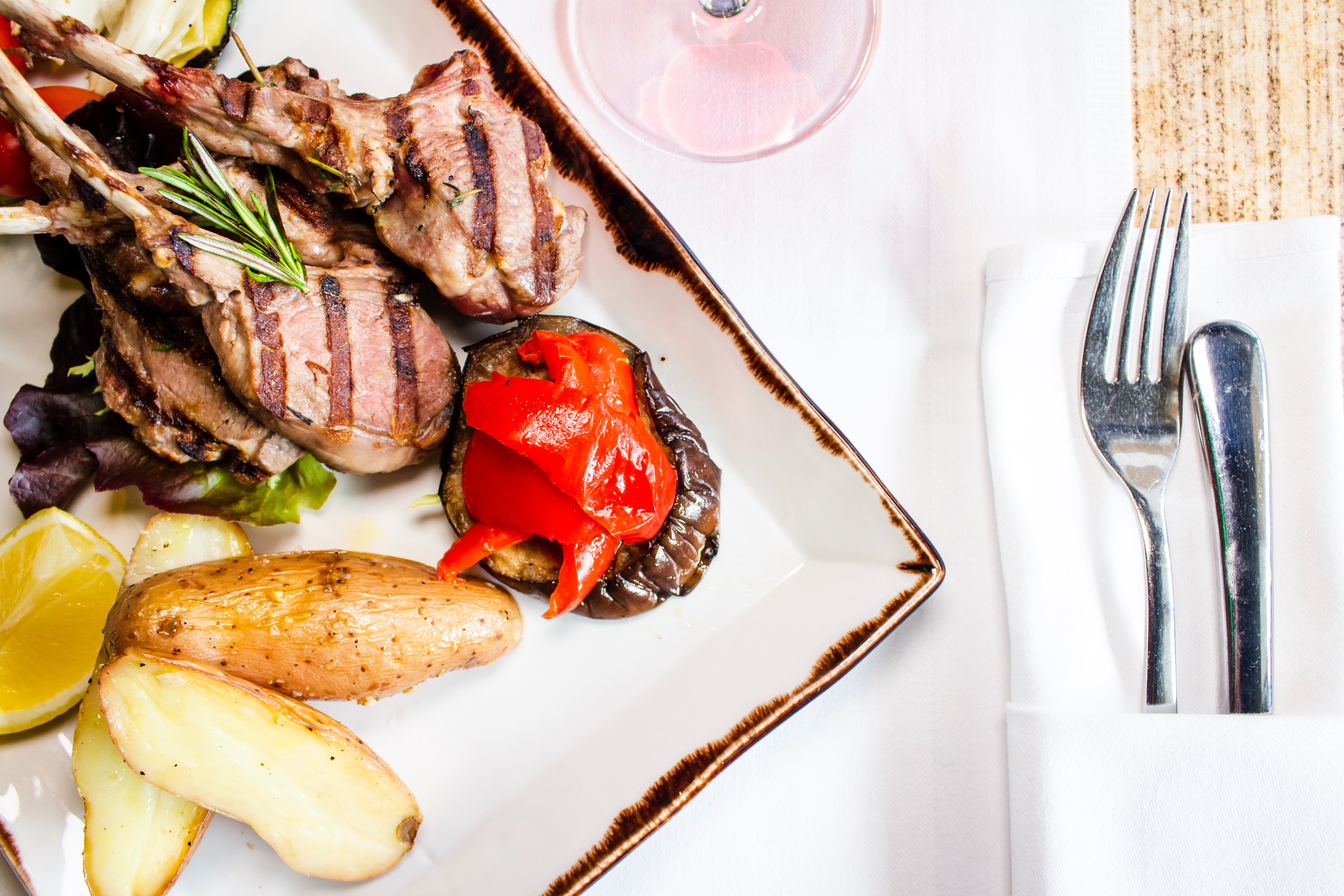
What are calories?
We usually talk about calories with regards to weight management. Calories in access of one’s energy needs are blamed for weight gain, while calorie reduction is believed to promote weight loss. Calories are units of energy. In nutrition, calories refer to the energy we get from foods and beverages we consume, and the energy we spend in physical activity. In physics: 1 calorie (kilocalorie actually) is the amount of energy required to raise the temperature of 1 kilogram (kg) of water by 1º C. Cals and Kcals are now used interchangeably. Calories are listed on all packaged foods, usually calculated per serving. You can also find a reference range for 2000 and 2500 calories as daily suggested energy consumption. Most weight loss and maintenance programs use calories in their meal configuration.
Calories In Calories Out (CICO)
For decades the Calories In Calories Out (CICO) ideology had been used in weight management. It had been believed that Eat Less Move More approach is the way to go about weight loss. Obesity was thought to be the outcome of overconsumption of food and/or lack of physical activity, and it was logical to prescribe the commonly known low-calorie low-fat dietary modification along with exercise. However logical, this method had not yielded the desired outcome – not only the obesity did not decreased, it actually rose significantly over last several decades, often accompanied by its comorbid type two diabetes, cardiovascular disease, hypertension, hypercholesterolemia.
Some doctors and scientists began to question the validity and accuracy of Eat Less Move More prescription and after compiling some research they concluded that while obesity is a multifactorial disorder, its main cause is a hormonal disbalance.
Obesity as hormonal disbalance
The main culprit of hormonal dysregulation in obesity is insulin. Insulin is a hormone secreted by pancreas in response to food – it is activated when glucose from ingested food reaches the blood and carries the glucose to most tissues in the body. Glucose is stored as glycogen in the liver and muscles, and once glycogen is up to its capacity, insulin brings the rest of glucose to fat cells for storage as fat. And that is how we gain weight – the brief version of this process. When insulin levels are chronically high due to overeating in general or overeating high sugar foods, the body develops insulin resistance (precursor to type two diabetes), the phenomenon in which the cells in the body do not react to insulin that tries to open them to push in the glucose. This leads to elevated blood sugar levels and fat accumulation.
The above hypothesis was tested in several studies by giving insulin to healthy subjects that were following a reduced calorie diet. They gained weight! Therefore, independently of the number of calories, people gained weight due to elevated insulin, the fat-storing hormone.
Insulin resistance and overeating
Have you ever noticed how after eating something sugary you get hungry shortly after? Usually after eating cereal for breakfast, the body starts asking for more food within a couple hours. While a breakfast of eggs, some fruit and whole grain toast would last you till lunch. This can be explained by high carbohydrate/high sugar content of the cereal, causing a spike in blood sugar and consequent release of high amount of insulin to clear the sugar out of the blood stream, which then leads to a sharp decrease in blood sugar and hunger pangs. Insulin brings sugar to the cells for storage, and once the storage is full, the rest of it is converted to fat. The eating/sugar clearance/hunger viscous cycle continues, leading to persistent insulin resistance and weight gain.
If you eat a balanced meal, with fats and protein along with slow carbs (like whole grains and legumes), the sugar influx into the blood stream is slow – it does not require high levels of insulin, keeping blood sugar stable and hunger at bay.
How to lower insulin
Insulin levels rise when we eat. It goes higher when we consume high-sugar foods – candy, sugar-sweetened beverages like soda, baked goods made with white flower, processed grains like white rice. Insulin also goes up, to a lesser degree though, in response to protein-rich foods – meat, fish, eggs, poultry. Fats do not stimulate insulin – a very mild rise is seen when consuming avocado (reach in fat), olive oil, butter, nuts and seeds. Dietary modification approach is very important in balancing insulin – significantly reducing sugar and sugar-containing foods, white flour and foods made with it including pasta and bread, and white rice with help to lower insulin. Practicing intermittent fasting or keeping longer fasts between meals (4-6 hours) will help balance insulin as well. The body will start learning to use stored fats for energy, leading to improved insulin sensitivity and weight loss.
Conclusion
While calories still do matter, however to a lesser degree than that of the composition of your meals. What ends up happening when we start eating a balanced diet with proteins and healthy fats, fiber-reach vegetables and fruit in moderation, we inadvertently eat less due to improved satiation, thus reducing our calorie consumption. This is usually the premise behind low-carb and ketogenic diets – they don’t specifically recommend counting calories, stressing consumption of higher amounts of fat. Such diets keep you fuller longer. If you are trying to lose weight or improve insulin sensitivity, being carb-conscious may help in achieving your goals.
Check oUT OTHER RECENT POSTS

Does intermittent fasting work for weight loss?
A Word on Processed Food


Hello, I’m Tatiana. I am a Licensed Dietitian Nutritionist and a Certified Nutrition Specialist.
I help people
- normalize their relationships with food,
- peel off the layers of misunderstood physical, nutritional and emotional needs,
- lose weight as a side effect of finding peace with food,
- stop obsessing about food and
- start living the freedom!
FREE DOWNLOAD
What stops you from getting in your best shape?
- Do you spend hours searching for the latest, most effective diet?
- Are you exhausted from using up so much energy and mental space on dieting and weight solutions?
- Are you uneasy around food and can’t seem to trust yourself to eat just enough for your body?
- Do you deal with challenges getting in the way of your healthy eating goals?
I’ve compiled this free tool - a list of 10 Obstacles Sabotaging your Health and Weight Goals that will help you pinpoint challenges you are dealing with that stop you from moving forward.