Blog
Nutrigenomics, Epigenetics & Cancer Prevention
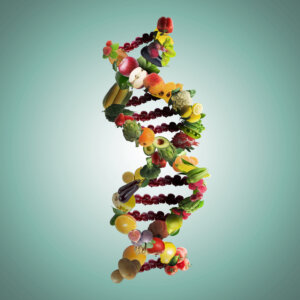 Nutrigenomics is a field of intricate connections between our genes and nutrition, how what we eat can influence our genetic expression. Nutrigenomics is a relatively new discipline but it already possesses a vast potential that can be applied for prevention and management of certain carcinomas and other diseases. Nutrigenomics involves a cascade of events in gene mutation and activation and/or silencing as a result of nutrients and genes interactions. We now understand that while we cannot change the genetic variances we inherit from our ancestors, we can however manipulate their expressions. This is called epigenetics.
Nutrition is an important part of the environment we create to ensure that through epigenetic factors we can avoid developing certain diseases by either turning on or silencing certain genes, implicated in them. Epigenetic modifications like diet and lifestyle, stress-management and exposure to environmental pollution can play a major role in disease occurrence and pathogenesis.
In today’s discussion we’ll look at diet as a nutrigenomics component and an epigenetic factor in preventing disease, cancer in particular.
Food components such as vitamins, minerals, plant phytochemicals, polyphenolic compounds, phenolic compounds, carotenoids, flavones, flavanols, isoflavones from soy and sulfur compounds, lycopene from tomatoes, resveratrol from grapes and berries, cinnamic acid from cinnamon, hesperidin from citrus fruits, carotenoids from red vegetables and fruits, ascorbic acid, coffee acid from coffee, types of soluble fibers, polyunsaturated fatty acids from marine animals have protective role in the cancer development. Minerals and vitamins from diet are involved in regulatory and enzymatic processes. The deficiency of micronutrients leads to abnormalities and potential tumor growth. Moreover, zinc and folate are involved in DNA repairing process. Some of the compounds have proven role in epigenetics while others may interact with genes other than DNA repairing and methylation. Some have a protective role against oxidative stress while others inhibit cancer cell proliferation by modifying the inflammatory process.
Let’s look at some of the nutrients in more detail:
- Omega-3 Fatty Acids. These are polyunsaturated fatty acids (PUFAS) are found primarily in fatty fish and in smaller amounts in flax seeds and their oil. Omega-3 FAs are potent anti-inflammatory agents against certain diseases such as CVD and cancer. They also interact with genes involved in inflammation and cancers. Specific mechanism of cancer prevention by Omega-3s is documented in prostate and breast cancers in particular.
- Micronutrients (minerals and vitamins). Both minerals and vitamins play an important role in metabolism based reactions. They regulate certain important events by acting as cofactors and key nutrients. The best example is the methylenetetrahydrofolate (MTHFR) gene responsible for folic acid metabolism and maintaining normal blood homocysteine levels, which is a marker of inflammation and precedes the development of cardio-vascular disease. Low levels of folate can lead to liver, breast, brain, lung and colorectal cancer. Zinc, magnesium and selenium are important minerals in human metabolism, and low intake of those elements is implicated in cancerous growths.
- Dietary Polyphenols. These compound are found in most fruits and vegetables. Based on their chemical properties and structure they are classified into several groups like phenolic compounds, flavonoids, benzoquinones, xanthones, lignins and acetophenones. There are over 800 polyphenols available in our diet. Epigallocatechin is a common polyphenol found in green tea, cinnamic acid is in cinnamon, resveratrol is from grapes, and curcumin comes from turmeric. Various studies have proven that dietary polyphenols have potential health benefits including cancer prevention.
- Epigallocatechin – a compound found in green tea was shown to have a positive correlation in prevention of oral, breast, skin, esophageal, colorectal, prostate, head, neck and pancreatic cancers. The mechanism by which epigallocatechin prevents cancer involves DNA methylation, one of the ways nutrients and genes interact.
- Curcumin. Curcumin is a polyphenolic compound present in spice turmeric and curry, and has a proven potency as a wound healer, anticancer, and anti-inflammatory agent among other health benefits. Being a hypomethylating agent curcumin inactivates the protooncogenes and prometastatic genes activity. Moreover, curcumin has an epigenomic impact on leukemia cells, and it is documented to have preventive properties against colon cancer.
- Apigenin. Apigenin is a plant flavone present in many fruits and vegetables. Parsley, celery and dried chamomile flowers also contain ample amounts of apigenin. Apigenin is a known potent anticancer agent due to its interaction with cancerous cell genes. Apigenin prevents from cancer by inducing apoptosis (cell death) in various cancerous cells including breast, hepatoma, skin, thyroid, prostate and leukemia by inhibiting DNA replication and other mechanisms.
- Resveratrol. Resveratrol is a bioactive compound known for its anticancer abilities and is found in red grapes, red wine, blueberries, and mulberries. Anticancer properties of resveratrol have a preventive role in lungs, skin, prostate and breast cancer.
- Genistein. Genistein is an isoflavone that belongs to the largest class of polyphenols known as flavonoid group. It is abundantly found in soybeans and is also known as phytoestrogens or an estrogen-like compound having anti-cancer properties. Genistein has shown protective properties against breast, prostate, and esophageal cancers among others.
- Sulforaphane is an organosulfur compound found in cruciferous vegetables of Brassica family such as broccoli, brussel sprouts,cauliflower and collard greens. Sulforaphane targets various pathways within the cell to attenuate, reverse, or block the effect of carcinogens.
Both nutrient intake and lack of thereof, or overconsumption of nutrient-poor foods (read: fast foods, processed foods, candy and sugary drinks) at the expense of the nutritious ones are all at the root of dealing with various cancers. We may not always observe the immediate effect of the foods we eat (or miss), however the long-term consequences may be dire and life-threatening, or disease preventive with other health benefits. If we were to summarize the concept of healthy eating, I believe Michael Pollan said it best: “Eat food, not too much, mostly plants.”
Stay nourished my friends!
References:
- Ayesha Nasir, Mir. M. Hassan Bullo, Zaheer Ahmed, Aysha Imtiaz, Eesha Yaqoob, Mahpara Jadoon, Hajra Ahmed, Asma Afreen & Sanabil Yaqoob (2020) Nutrigenomics: Epigenetics and cancer prevention: A comprehensive review, Critical Reviews in Food Science and Nutrition, 60:8, 1375-1387, DOI: 10.1080/10408398.2019.1571480
- Bayat Mokhtari R, Baluch N, Homayouni TS, et al. The role of Sulforaphane in cancer chemoprevention and health benefits: a mini-review [published correction appears in J Cell Commun Signal. 2017 Aug 26;:]. J Cell Commun Signal. 2018;12(1):91-101. doi:10.1007/s12079-017-0401-y
Check oUT OTHER RECENT POSTS

Simple Eating Hacks to Manage Weight Effectively

Do We Need New Year’s Resolutions?



Hello, I’m Tatiana. I am a Licensed Dietitian Nutritionist and a Certified Nutrition Specialist.
I help people
- normalize their relationships with food,
- peel off the layers of misunderstood physical, nutritional and emotional needs,
- lose weight as a side effect of finding peace with food,
- stop obsessing about food and
- start living the freedom!
FREE DOWNLOAD
What stops you from getting in your best shape?
- Do you spend hours searching for the latest, most effective diet?
- Are you exhausted from using up so much energy and mental space on dieting and weight solutions?
- Are you uneasy around food and can’t seem to trust yourself to eat just enough for your body?
- Do you deal with challenges getting in the way of your healthy eating goals?
I’ve compiled this free tool - a list of 10 Obstacles Sabotaging your Health and Weight Goals that will help you pinpoint challenges you are dealing with that stop you from moving forward.