Blog
Ear Infection or Allergy? Food May Cause Many Ailments in Children
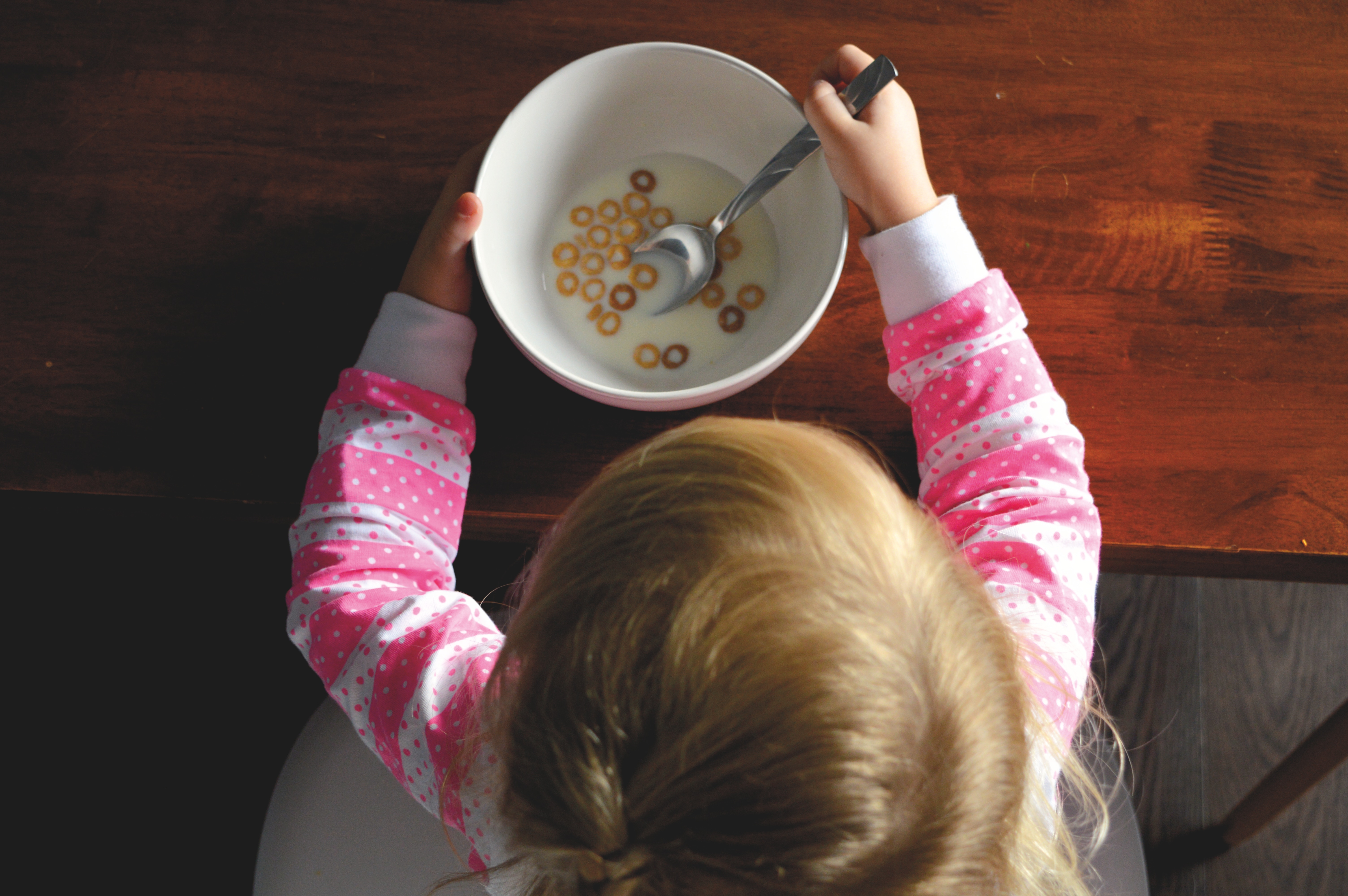
When our kids get sick, we tend to blame their classmates, the season or occasional wind draft. However research shows that many reoccurring conditions are caused by food allergies, sensitivities or intolerances.
While food allergies are defined as immune reaction with histamine and IgE antibodies release in response to a particular food and can be tested, other food sensitivities may not show in lab results, yet still cause health problems.
Ear Infections: according to a study conducted in 1990 by Talal Nsouli, MD, director of the Watergate and Burke Allergy and Asthma Centers in the Washington, D.C., area, roughly 90% of recurring ear infections are linked to food sensitivities or allergies. Milk and dairy products were found to be the main reasons of chronic ear infections. Wheat and soy are the other two. When these foods were eliminated from children’s diets, 86% reported significant reductions in ear infections.
Frequent Upper Respiratory Infections: these are very similar to ear infections with a difference in location, so the same approach as above can be applied. Some kids suffer from seasonal allergies that often get exacerbated by reaction to certain foods. If they only get sick in spring – treat allergies, however if they get sick year round – try elimination diet starting with dairy, soy and wheat.
Stomachaches and Reflux: many food intolerances are associated with upset stomach and indigestion, causing symptoms such as heartburn, pain, bloating, gas, diarrhea and constipation among others. If these symptoms are persistent daily, there must be something in your child’s diet that causes them. Lactose intolerance, characterized by lack or inadequate secretion of lactase enzyme that breaks down milk sugar – lactose, is one of them. Beans and legumes, fructose in fruits and other foods, fermentable carbohydrates and many processed foods are often to blame for poor digestion and tummy aches. Some individuals are less efficient in producing digestive enzymes, leading to poor breakdown and assimilation of foods, that are left in the intestines for longer and get fermented by the gut bacteria, producing all the unpleasantness. Once again, do your internal pantry/fridge investigation and proceed with elimination diet. Many foods can be successfully reintroduced after initial withdrawal from daily diet.
Rashes: kids generally don’t eat much, and if their diets are full of processed, nutrient-deficient foods – like candy, cookies and fast food – they miss out on nutrient-dense foods that provide essential fats to support skin health. Kids are intuitive eaters in a sense that their bodies register energy with anything they eat or drink and shut down their appetites, therefore it’s very important to add healthy whole foods with most meals.
Poor fat intake (and I mean healthy fat – as in nuts, seeds, olive oil, fish, avocado) can disrupt skin health causing irritation, rashes, bumps and dryness.
If that’s the case – add ground flax seeds in pancake or waffle batter along with a little olive oil, chop up walnuts, sunflower seeds and top oatmeal or cereal, sprinkle olive or avocado or sesame oil on steamed or roasted veggies and add fish oil supplement to your child’s diet.
Picky eating: not all picky eating created equal – some of it is physiological rather than psychological. As I mentioned, children are naturally intuitive with their bodies – they register their physiologic response to different stressful stimuli – like foods that don’t agree with them. They learn to dislike or even fear the foods that make them feel sick, often without being consciously aware of it.
If you rule out texture aversion, problems with chewing and swallowing, social-emotional component and other non-physiologic factors, and if no allergy or sensitivity tests were done previously, this is the time to do them, after noting which foods in particular your child is trying to avoid.
Often doctors don’t suspect foods being the culprit of common conditions, mistakenly prescribing antibiotics and other unnecessary medication, potentially causing more harm than good. Nutritionists and dietitians can fill in the gaps in treating food-related illnesses. As parents and caregivers, it is our responsibility to look out for our children and do the due diligence needed to protect them from any unintentional harm.
Check oUT OTHER RECENT POSTS

BEST CREPES EVER ????
Bread-Lovers Dilemma & Solution



Hello, I’m Tatiana. I am a Licensed Dietitian Nutritionist and a Certified Nutrition Specialist.
I help people
- normalize their relationships with food,
- peel off the layers of misunderstood physical, nutritional and emotional needs,
- lose weight as a side effect of finding peace with food,
- stop obsessing about food and
- start living the freedom!
FREE DOWNLOAD
What stops you from getting in your best shape?
- Do you spend hours searching for the latest, most effective diet?
- Are you exhausted from using up so much energy and mental space on dieting and weight solutions?
- Are you uneasy around food and can’t seem to trust yourself to eat just enough for your body?
- Do you deal with challenges getting in the way of your healthy eating goals?
I’ve compiled this free tool - a list of 10 Obstacles Sabotaging your Health and Weight Goals that will help you pinpoint challenges you are dealing with that stop you from moving forward.