Blog
Bread-Lovers Dilemma & Solution
Dilemma
Gluten-free diets have become very popular and many people jump on the band-wagon, sometimes without even realizing what gluten is and why they should avoid it.
What is gluten? A dietary villain out to get you and make your life miserable? Not exactly so…
Gluten is a protein found in wheat, rye, barley and some other grains to a lesser degree. It consists of two main structural proteins – Gliadin and Glutenin.
Gliadin is the one responsible for causing an immune reaction in people with Celiac disease – an autoimmune condition featured by inability to digest and metabolize gluten, leading to gastrointestinal upset, malabsorption of nutrients and disintegration on intestinal lining, brought about by the body’s own immune cells, attacking it. The only way to treat this condition is to eliminate gluten altogether, which might be easier said than done, as gluten is in so many products these day – added to many processed foods like canned soups and deli meats. It is critical to check ingredients of every packaged food they buy.
Glutenin is the cause of wheat allergy in affected individuals.
In the last several decades, along with Celiac disease, many people started reporting experiencing symptoms of intolerance when consuming gluten-containing products – indigestion, headache, nutrient deficiencies, etc. The condition was named Non-Celiac Gluten Sensitivity (NCGS). What’s up with that? And how come there were no records of this ailment in the past?
As it appears, in the last few decades several factors influenced the quality of bread products we eat now:
· Genetically modified and specially bred wheat varieties to yield higher gluten content (for baking properties – like to add fluff and tenderness)
· Adding preservatives to bread products for longer shelf life
· Adding extra gluten to bread products, thus increasing gluten-to other-ingredients ratio, making it difficult for compromised digestive and immune systems to deal with.
Many people turn to whole wheat products, as directed by well-meaning dietary guidelines, USDA and nutrition professionals, thinking they are doing a healthier choice. However, when made out of whole wheat flour, breads and pastries lack the airy tenderness, turn out to be grainy, hard and flat. To avoid it, manufacturers add pure gluten and other not-so-natural ingredient to make products more palatable.
Solution
Quality of not just bread, but all foods matters. In order to eat healthfully, we must become our personal investigators (CSI professional on call!) – take our health in our own hands and do a due diligence work every time we buy packaged (like bread and pastries) foods:
· Check the ingredients lists, not just food labels. If it’s longer than 5 items – look for an alternative;
· Alternatives – artisanal breads like sourdough breads (made with only flour, salt, water and yeast/bacteria starter) made in local bakeries (do your research) is the healthiest version and delicious as well. It’s preparation takes time, and during fermentation, the bacteria and yeast predigest sugars and gluten in the dough, making it easier to assimilate for your body.
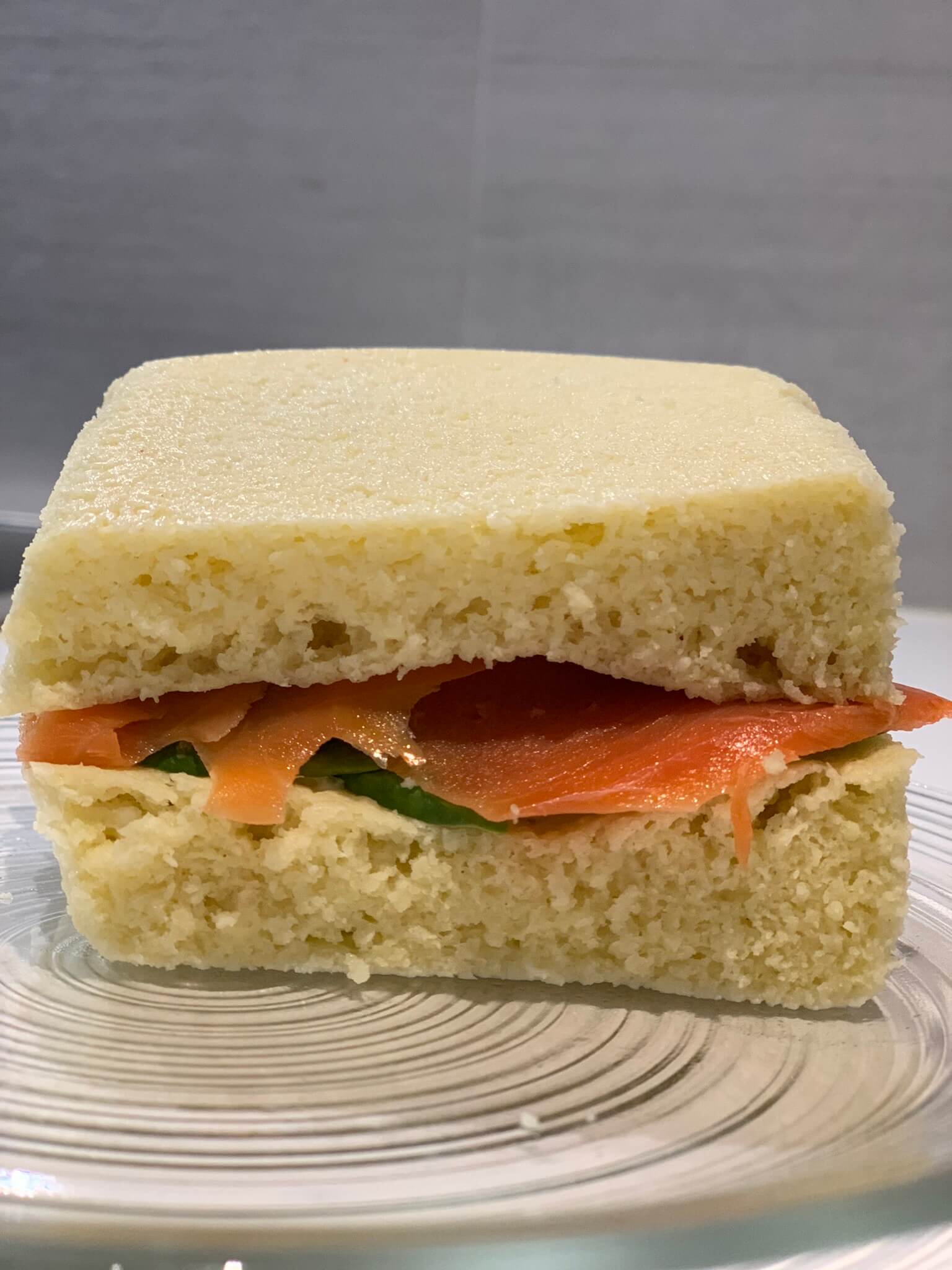
· Make your own – flat bread is super easy to make, and you are in control of what you put in it. Use whole wheat flour that provides fiber and wholesome nutrients. Add rosemary and oregano or garlic, sun-dried tomatoes and olives to add some flavor.
#glutenfree #recipes #keto #lowcarb #bread #sourdough
Check oUT OTHER RECENT POSTS

Healthy Swaps for your Favorite Holiday Recipes
Finding peace with running



Hello, I’m Tatiana. I am a Licensed Dietitian Nutritionist and a Certified Nutrition Specialist.
I help people
- normalize their relationships with food,
- peel off the layers of misunderstood physical, nutritional and emotional needs,
- lose weight as a side effect of finding peace with food,
- stop obsessing about food and
- start living the freedom!
FREE DOWNLOAD
What stops you from getting in your best shape?
- Do you spend hours searching for the latest, most effective diet?
- Are you exhausted from using up so much energy and mental space on dieting and weight solutions?
- Are you uneasy around food and can’t seem to trust yourself to eat just enough for your body?
- Do you deal with challenges getting in the way of your healthy eating goals?
I’ve compiled this free tool - a list of 10 Obstacles Sabotaging your Health and Weight Goals that will help you pinpoint challenges you are dealing with that stop you from moving forward.