Blog
Are We What We Eat?
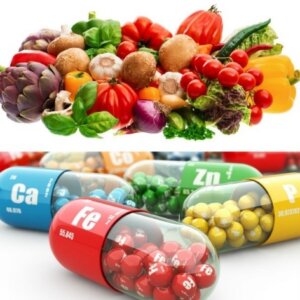 The title above refers to the fact that the food we eat reflects on our health status. That’s a very heavy obligation placed on food and dietary patterns to keep us in good health. Food is not the only thing that defines how well we are – our genes, environment, level of physical activity, and stress response have a lot to do with that too. Besides, is it really the food we eat or the nutrients we absorb? At the end of the day, we can eat the most healthful, freshest and nutrient-dense fare but only absorb and utilize so much of it. How would we know if the foods we eat are actually doing the job in our bodies?
The rate and capacity for nutrient absorption is a very individual thing – everyone’s physiology is unique and has to do with many factors including past or current medical conditions like food allergies and intolerances, chronic metabolic diseases like cardio-vascular or diabetes, autoimmune disorders including inflammatory bowel diseases (IBDs), past surgeries, the number of specific receptors in the body for certain nutrients, metabolic capacity, gut microbiota composition, alcohol consumption, smoking, medications and even the intensity of physical activity performed.
Certain nutrients are at a higher risk for not being absorbed or metabolized adequately, including vitamins B6, B12, D, Folate, minerals iron and magnesium. All of these nutrients are essential, meaning our body can’t produce them internally, and they are required in our daily diet to reach sufficient levels in the body. Checking your blood levels for these nutrients regularly (annually) would give us an idea whether we are not consuming enough foods containing them, or, if we believe we do, we are not absorbing them efficiently.
Certain nutrients require either presence or absence of certain other elements to be absorbed. For instance, in order to utilize iron from plant sources like beans and lentils, green leafy vegetables, whole grains, and nuts and seeds we need to ensure the presence of vitamin C. Coffee and other caffeinated drinks may prevent iron absorption. So if you do have an iron deficiency anemia, consider cutting or reducing the number of your morning joe cups.
Magnesium often competes with calcium for absorption, and if there’s a chronically high concentration of calcium in our diet (often with calcium supplement and/or overconsumption of dairy products), we risk having low magnesium levels (vice versa is also true).
Vitamin B12 is a tricky one – not only it is only available from animal sources, it depends on everyone’s individual capacity to absorb it. In order to be metabolized in the body, B12 binds to something called intrinsic factor – a protein secreted in the stomach. If the secretion rate or ability is low, or after a surgery as with bariatric (weight reducing surgery) procedures, we are not able to absorb B12, which is necessary for many functions on the body. Individuals with low B12 levels are often administered intravenous B12 to bypass the stomach pathway and ensure its availability on the body.
Vitamin D is not exactly a vitamin, it is actually a hormone synthesized in our skin under the UV light – sun exposure. The darker the skin, the harder it is to make enough vitamin D. And with all the risks of sun exposure and damage, we either try to spend less time in the sun, or slather sunblock, which prevents the synthesis. Other organs – the kidneys and the liver – are also implicated in vitamin D synthesis, and if there’s a condition associated with these organs (renal disease, hepatitis, non-alcoholic liver disease, etc.) there’s a risk of vitamin D deficiency.
As seen in here, we may not be what we eat, rather what we absorb, and making sure we learn what we don’t absorb very well, and we supplement those nutrients, will help us maintain our health.
Stay nourished my friends!
Check oUT OTHER RECENT POSTS

Simple Eating Hacks to Manage Weight Effectively

Do We Need New Year’s Resolutions?



Hello, I’m Tatiana. I am a Licensed Dietitian Nutritionist and a Certified Nutrition Specialist.
I help people
- normalize their relationships with food,
- peel off the layers of misunderstood physical, nutritional and emotional needs,
- lose weight as a side effect of finding peace with food,
- stop obsessing about food and
- start living the freedom!
FREE DOWNLOAD
What stops you from getting in your best shape?
- Do you spend hours searching for the latest, most effective diet?
- Are you exhausted from using up so much energy and mental space on dieting and weight solutions?
- Are you uneasy around food and can’t seem to trust yourself to eat just enough for your body?
- Do you deal with challenges getting in the way of your healthy eating goals?
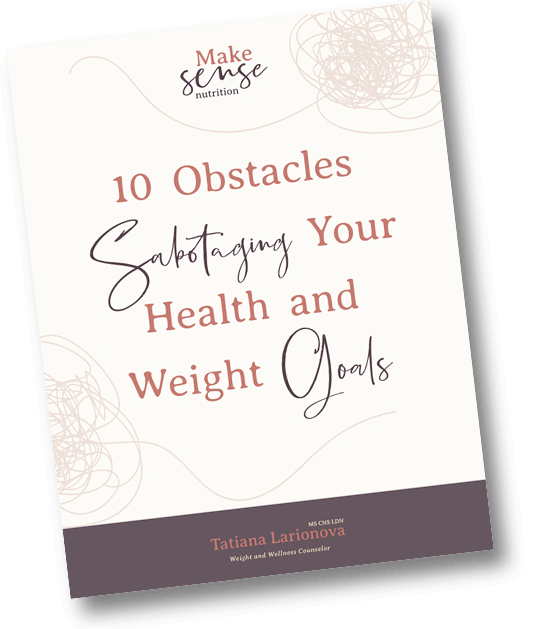
I’ve compiled this free tool - a list of 10 Obstacles Sabotaging your Health and Weight Goals that will help you pinpoint challenges you are dealing with that stop you from moving forward.