Blog
Nutrient Spotlight: Selenium
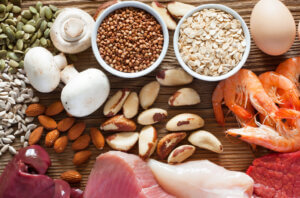 Certain nutrients like vitamins and mineral are essential, which means our bodies can’t produce them on their own and require their intake through food or supplements. Selenium is one such mineral. It is vital for our health, immunity and optimal function of some organs and systems. Selenium is necessary for robust metabolism, thyroid, and reproductive function.
- Immune system support. Selenium is a powerful antioxidant offering protection from oxidative stress caused by environmental pollution, suboptimal diet and other factors like smoking and excessive alcohol consumption. Oxidative stress damages our bodies by destroying cells and degrading systems. Antioxidants such as selenium, vitamins A, C, E, and D among others are able to partially undo and prevent the damage, therefore restoring normal processes.
- Fights heart disease. Low levels of selenium in blood are associated with higher prevalence of heart disease. While the indirect correlation may be due to selenium’s antioxidant activity leading to improved function of all systems, including cardiovascular, it was also observed to reduce inflammation and lower the risk of atherosclerosis and myocardial infarction.
- Protects against cancer. Selenium was shown to exhibit protective properties against some cancers including breast, prostate, colon, and lung. This is attributed to selenium’s ability to reduce DNA damage and diminish oxidative stress, boost immune system and kill cancer cells.
- Promotes cognitive function. With age our cognition starts to decline due to natural causes, however some people go on to develop more profound degenerative diseases like Alzheimer’s and Parkinson’s. While these conditions are largely attributed to heredity and genetics, other factors play a role in how soon and how rapidly they develop. Adequate nutrition being one of them, specifically presence of antioxidants like selenium. Many studies demonstrated a correlation between low selenium blood levels and Alzheimer’s disease.
- Needed for thyroid health. Thyroid is a butterfly-shaped organ located in our neck area. Small but mighty, it is vital for our metabolism and wellbeing. Selenium is necessary for thyroid function as it participates in thyroid hormones production. Without optimal levels of selenium we are at risk for developing hypothyroidism – slowed thyroid function that leads to weight gain, hair loss, fatigue and depression. Selenium deficiency may also lead to autoimmune hypothyroidism Hashimoto’s disease, in which the immune system develops antibodies that mistakenly attack and destroy thyroid gland, leading to its reduced function.
Selenium is pretty abundant in our diet, with the richest sources being fish and seafood, nuts, organ meats, and mushrooms. Below is a list of selenium-rich foods:
| Food | Micrograms
(mcg) per serving |
Percent
Daily Value |
| Brazil nuts, 1 ounce (6–8 nuts) | 544 | 989 |
| Tuna, yellowfin, cooked, dry heat, 3 ounces | 92 | 167 |
| Halibut, cooked, dry heat, 3 ounces | 47 | 85 |
| Sardines, canned in oil, drained solids with bone, 3 ounces | 45 | 82 |
| Ham, roasted, 3 ounces | 42 | 76 |
| Shrimp, canned, 3 ounces | 40 | 73 |
| Macaroni, enriched, cooked, 1 cup | 37 | 67 |
| Beef steak, bottom round, roasted, 3 ounces | 33 | 60 |
| Turkey, boneless, roasted, 3 ounces | 31 | 56 |
| Beef liver, pan fried, 3 ounces | 28 | 51 |
| Chicken, light meat, roasted, 3 ounces | 22 | 40 |
| Cottage cheese, 1% milkfat, 1 cup | 20 | 36 |
| Rice, brown, long-grain, cooked, 1 cup | 19 | 35 |
| Beef, ground, 25% fat, broiled, 3 ounces | 18 | 33 |
| Egg, hard-boiled, 1 large | 15 | 27 |
| Bread, whole-wheat, 1 slice | 13 | 24 |
| Baked beans, canned, plain or vegetarian, 1 cup | 13 | 24 |
| Oatmeal, regular and quick, unenriched, cooked with water, 1 cup | 13 | 24 |
From: National Institute of Health, Office of Dietary Supplements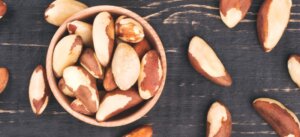
While selenium deficiency is rare, some people may not have adequate intake of this essential mineral due to food allergies such as fish, shellfish and nuts. Some diets may be deficient due to high reliance on convenience and fast foods, vegan diets, and/or gastrointestinal issues preventing optimal nutrient absorption. In any event, make sure to include above-mentioned foods in your diet, or add supplementation to provide your body with adequate amounts of this beneficial mineral.
Stay nourished my friends!
References:
- Kieliszek M, Błażejak S. Current Knowledge on the Importance of Selenium in Food for Living Organisms: A Review. Molecules. 2016;21(5):609. Published 2016 May 10. doi:10.3390/molecules21050609
- https://ods.od.nih.gov/factsheets/Selenium-HealthProfessional/
Check oUT OTHER RECENT POSTS

“Eat This, Not That”
Structure your Time to Achieve Wellness Goals



Hello, I’m Tatiana. I am a Licensed Dietitian Nutritionist and a Certified Nutrition Specialist.
I help people
- normalize their relationships with food,
- peel off the layers of misunderstood physical, nutritional and emotional needs,
- lose weight as a side effect of finding peace with food,
- stop obsessing about food and
- start living the freedom!
FREE DOWNLOAD
What stops you from getting in your best shape?
- Do you spend hours searching for the latest, most effective diet?
- Are you exhausted from using up so much energy and mental space on dieting and weight solutions?
- Are you uneasy around food and can’t seem to trust yourself to eat just enough for your body?
- Do you deal with challenges getting in the way of your healthy eating goals?
I’ve compiled this free tool - a list of 10 Obstacles Sabotaging your Health and Weight Goals that will help you pinpoint challenges you are dealing with that stop you from moving forward.