Blog
How Nutrition Effects Skin
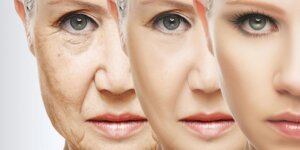
We already know that nutrition is important for health and weight management, but does it have anything to do with skin appearance and health? And the answer is a resounding yes!
Our skin is the primary barrier that protects the body from external damage, and is effected by both external and internal factors, including nutrition.
Skin is not just an organ – it manifests our projection into the world, and we want that projection to be smooth, radiant and glowing.
As the largest organ of the human body, the skin shows obvious signs of aging due to age, ultraviolet radiations (UVR) exposure, and chemical pollution. Skin is n
Ageing is a natural process, and there is not much to be done about gradual deterioration of skin structure that leads to wrinkles, age spots, sagginess and so on. However it is possible to slow the effects of ageing and improve skin quality with various treatments, application, and – you guessed it – adequate nutrition!
Let’s look at some key nutrients that play a role is slowing skin ageing:
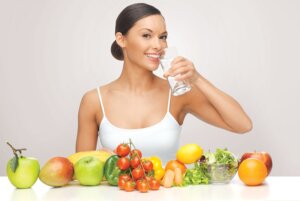
- Water – maintains skin internal balance and tissue function, helps reduce ageing and inflammation. Water is one of the most important needs of our skin, even though there is no nutritional value to it, other than some minerals, human body is comprised of 60% of water! Therefore, water in adequate amounts is essential not only for survival, but improved health and looks.
- Proteins – responsible for constitution and repair of skin tissues (involved in protein synthesis and metabolism), mediation of skin physiological functions and supply of energy. Proteins come from both animal sources (fish, poultry, dairy, meat, eggs) and plant sources (legumes – beans, peas, and lentils, most vegetables and fruit have some protein, whole grains, nuts and seeds, soy and soy products).
- Trace Elements:
- Copper – involved in extracellular matrix, synthesis and stabilization of skin proteins, and angiogenesis. Foods that contain copper are liver and organ meats, oysters, green leafy veggies, dark chocolate, mushrooms, nuts and seeds, spirulina (algae).
- Zinc – participates in the proliferation and differentiation of epidermal keratinocytes – skin regeneration and renewal. Foods containing Zinc are oysters (the highest source), red meat, poultry, beans, nuts seafood, whole grains, fortified cereals and dairy.
- Iron – needed for antioxidant activity in the skin. Found in shellfish, iron, red meat and organ meats, spinach, legumes, pumpkin seeds, quinoa, poultry.
- Selenium – essential for the development and function of skin keratinocytes; related to skin antioxidant enzyme activity. Foods rich in selenium are brazil nuts, seafood, red meat and organ meats, cereals and dairy products.
- Vitamins:
- Vitamin A – commonly used anti-aging ingredient, prevents skin aging by regulating the expression of genes and other processes. Vitamin A is the main component of retinol and other retinoic acid derivatives, often used in prescription anti-ageing and acne clearing creams and serums. It is found in the following foods: liver, oily fish, cheese, eggs, fortified cereals, dairy. Its precursor – beta carotene – is found in most orange and yellow fruits and veggies like pumpkin, butternut squash, sweet potatoes, carrots, papaya, mango.
- Vitamins B – associated with reduction of skin inflammation and pigmentation. Most B vitamins are found in legumes, green leafy veggies and other vegetables, seeds, meat, seafood, poultry, eggs, dairy.
- Vitamin C – involved in skin collagen synthesis and elimination of intracellular reactive oxygen species. Vitamin C is found in most yellow and orange fruits and veggies, citrus fruits, bell peppers, strawberries, blackcurrants, broccoli, brussel sprouts, potatoes.
- Vitamin D – reduces skin DNA damage, inflammation, and photocarcinogenesis (cancer promoted by excessive sun exposure). Vitamin D is synthesized in our skin with sun exposure, however not everyone has a robust ability to make vitamin D, people with darker skin tones and higher body fat percentage have reduced capacity for this process. Therefore consuming foods high in this vitamin or even taking a supplement would be beneficial. Food containing vitamin D: fatty fish like tuna, mackerel, and salmon, fortified cereals and dairy, beef liver, cheese, egg yolks.
- Vitamin E – prevent skin aging by inhibiting lipid peroxidation. Vitamin E id found in wheat germ oil, sunflower seeds and oil, almonds, peanuts and peanut butter, beet greens, collard greens, spinach, pumpkin, red bell pepper.
Now let’s look at some of the modifiable factors that negatively impact our skin and expedite ageing:
- Fat – High fat diets are associated with skin inflammation; however essential fatty acids are involved in skin lipid synthesis
 and metabolism.
 - Tobacco – change skin cuticle thickness, accelerate skin pigmentation and skin necrosis.
- Alcohol – change the skin permeability, destroy the barrier function of the skin, affect the skin lipid composition; leads to dehydration causing dryness, puffiness and skin thinning.
- Sugar and baked goods – associated with skin inflammation, acne, collagen damage.
In addition to the aforementioned antioxidants in foods that can be used as functional food ingredients to relieve skin aging, the combined use of different types of antioxidants has also been reported. Some studies showed that dietary probiotics and their products can also alleviate skin aging. Therefore, adding probiotic containing foods like fermented dairy (yogurt, kefir), sauerkraut, and kimchi along with supplementing with a potent probiotic may be beneficial in improving your skin health and appearance.
Stay healthy my friends!
References:
Cao C, Xiao Z, Wu Y, Ge C. Diet and Skin Aging-From the Perspective of Food Nutrition. Nutrients. 2020;12(3):870. Published 2020 Mar 24. doi:10.3390/nu12030870
Check oUT OTHER RECENT POSTS

Weight Loss Without Dieting
To Gluten Or Not To Gluten?




Hello, I’m Tatiana. I am a Licensed Dietitian Nutritionist and a Certified Nutrition Specialist.
I help people
- normalize their relationships with food,
- peel off the layers of misunderstood physical, nutritional and emotional needs,
- lose weight as a side effect of finding peace with food,
- stop obsessing about food and
- start living the freedom!
FREE DOWNLOAD
What stops you from getting in your best shape?
- Do you spend hours searching for the latest, most effective diet?
- Are you exhausted from using up so much energy and mental space on dieting and weight solutions?
- Are you uneasy around food and can’t seem to trust yourself to eat just enough for your body?
- Do you deal with challenges getting in the way of your healthy eating goals?
I’ve compiled this free tool - a list of 10 Obstacles Sabotaging your Health and Weight Goals that will help you pinpoint challenges you are dealing with that stop you from moving forward.